 By Kaeb Mils
What Is Credit?
Credit is the cornerstone of the modern financial system. It represents the trust that allows individuals, businesses, and governments to access funds or resources now and repay them later. In essence, credit is the ability to borrow money or obtain goods and services with the understanding that repayment will occur in the future. It serves as a financial bridge, enabling people to meet immediate needs, invest in opportunities, and build long-term wealth. Having access to credit is a key indicator of financial health, as it reflects your ability to manage obligations and demonstrates reliability to lenders.
Credit also functions as a measurement of creditworthiness, which determines whether you are viewed as a low-risk or high-risk borrower. Financial institutions use this assessment to decide how much credit to offer, at what interest rate, and under what conditions. Understanding credit deeply is essential because it directly affects your ability to buy a home, finance a vehicle, start a business, or even secure employment in certain industries.
The Importance of Credit in Financial Life
Credit impacts nearly every major financial decision you make. When used responsibly, it becomes a tool for building stability, but when mismanaged, it can lead to long-term financial difficulties. The significance of credit can be understood through several dimensions:
- Access to Capital: Strong credit provides you with access to loans and financing that make major life purchases possible, such as homes, vehicles, and higher education.
- Lower Borrowing Costs: A good credit score translates to lower interest rates, reduced fees, and favorable repayment terms. This means you pay less over time for the same borrowed amount.
- Emergency Preparedness: Having available credit offers a safety net during unexpected financial emergencies like medical bills or job loss.
- Building Financial Reputation: Your credit history reflects your financial discipline and reliability. A strong credit profile can influence lenders, landlords, and even potential employers.
- Economic Growth Contribution: On a larger scale, credit supports consumer spending and business expansion, both of which fuel national economic development.
Types of Credit
There are multiple types of credit, each serving different purposes. Understanding the distinctions helps you use credit effectively and responsibly.
Revolving Credit
Revolving credit allows you to borrow up to a certain limit and repay either partially or in full over time. The most common example is a credit card. The key features include a credit limit, a variable balance, and interest charges on unpaid balances. You can reuse the available credit as you repay what you owe. While flexible, revolving credit requires discipline to avoid accumulating high-interest debt.
Installment Credit
Installment credit involves borrowing a fixed amount that is repaid over a predetermined period in equal payments. Examples include mortgages, auto loans, and personal loans. Each payment reduces both the principal and the interest owed. Installment loans help build a positive credit history through consistent, on-time payments and demonstrate long-term financial reliability.
Open Credit
Open credit is less common but still significant. It refers to credit arrangements where the balance must be paid in full each billing cycle. Utility bills and certain charge cards operate under this model. These accounts typically do not have preset spending limits, but failing to pay on time can harm your credit reputation.
Business Credit
For entrepreneurs and companies, credit is essential for financing operations, purchasing inventory, or expanding infrastructure. Business credit is evaluated separately from personal credit and helps establish the financial credibility of a company. Building business credit can lead to higher funding limits and better loan terms.
How Credit Works
Credit functions as a system of trust between borrowers and lenders. When you apply for credit, the lender assesses your financial background, income stability, and debt management behavior before granting approval.
The Core Components of Credit Functionality
- Application Process: You request credit from a lender, such as a bank, credit union, or financial institution.
- Credit Evaluation: The lender reviews your credit report, score, income, and debt-to-income ratio to assess risk.
- Approval and Terms: Based on your creditworthiness, the lender sets the loan amount, interest rate, and repayment schedule.
- Repayment: You are required to make consistent payments, including interest and principal, until the balance is fully paid off.
- Credit Reporting: Your payment history and account details are reported to credit bureaus, which update your credit score accordingly.
The system is cyclical—responsible borrowing improves your score, which in turn grants access to better financial opportunities.
The Key Factors That Influence Credit Scores
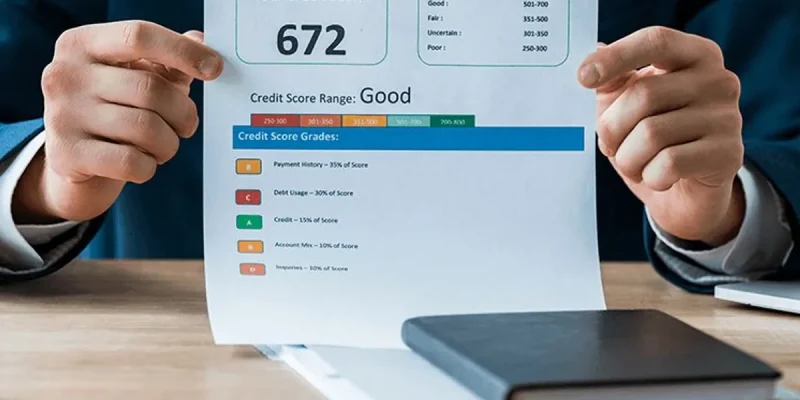
Your credit score is a numerical representation of your financial trustworthiness. It typically ranges from 300 to 850, with higher scores reflecting lower risk. The following factors determine your score:
- Payment History (35%) – The record of on-time and missed payments. Timely payments are the most crucial factor.
- Credit Utilization (30%) – The ratio of your current credit balance to your available credit limit. Keeping it below 30% is ideal.
- Length of Credit History (15%) – The age of your credit accounts. Older accounts contribute positively to your score.
- Credit Mix (10%) – The diversity of your credit accounts, including credit cards, loans, and lines of credit.
- New Credit (10%) – The number of recent credit inquiries and newly opened accounts. Too many applications in a short time can reduce your score.
Maintaining a healthy score requires consistent effort and financial awareness.
How to Build and Maintain Strong Credit
Building and maintaining credit is not about short-term actions but long-term habits. These proven strategies help ensure a solid credit foundation:
- Pay Every Bill on Time: Late payments are recorded and can significantly damage your score. Setting up automatic payments helps maintain punctuality.
- Keep Credit Balances Low: Aim to use less than 30% of your available limit. High utilization indicates potential financial stress.
- Limit New Applications: Each credit inquiry can temporarily lower your score, so apply for new accounts only when necessary.
- Retain Older Accounts: Older credit lines contribute to your credit history length. Closing them can inadvertently reduce your score.
- Monitor Credit Reports Regularly: Review your reports for inaccuracies or signs of fraud. Early detection prevents long-term damage.
- Diversify Credit Types: Having a mix of revolving and installment accounts demonstrates financial versatility and responsible management.
Consequences of Poor Credit Management
Mismanaging credit can lead to serious financial and personal consequences. Poor credit not only limits access to new credit but also increases costs and reduces trust. Key effects include:
- Higher Interest Rates: Lenders view you as a high-risk borrower, resulting in higher borrowing costs.
- Loan Denials: Limited or poor credit history can result in rejected loan applications.
- Difficulty Renting Housing: Landlords often check credit reports before approving tenants.
- Employment Challenges: Some employers review credit history as part of background checks for financial positions.
- Increased Insurance Premiums: Insurers may charge higher premiums to individuals with poor credit.
Poor credit can take years to rebuild, which makes proactive management essential.
The Broader Economic Role of Credit
Credit isn’t just a personal finance tool—it’s an economic engine. When consumers and businesses borrow responsibly, they inject capital into the economy. This stimulates production, creates jobs, and drives innovation. Conversely, when credit systems fail or borrowers default at large scale, economic instability can follow. The 2008 financial crisis, for example, highlighted the global consequences of excessive and mismanaged credit exposure. Maintaining a balanced and transparent credit environment benefits both individuals and society as a whole.
Responsible Credit Usage
Responsible credit use involves strategic borrowing and mindful repayment. The goal is to maintain financial flexibility without falling into debt cycles. Key principles include:
- Borrow only what you can afford to repay.
- Always understand the terms of your credit agreement.
- Prioritize paying off high-interest debts first.
- Avoid impulse spending that relies on credit.
- Review your financial health regularly and adjust accordingly.
Responsible use of credit demonstrates maturity, foresight, and discipline—qualities that build long-term financial success.
Frequently Asked Questions (FAQs)
1. Can I build credit without having a credit card?
Yes. You can build credit through other means, such as personal loans, auto loans, or reporting rent payments to credit bureaus. Being an authorized user on a trusted person’s account also helps establish history.
2. How often should I check my credit report?
It’s recommended to review your credit report at least once a year. However, monitoring it quarterly helps detect errors or fraudulent activity more quickly.
3. Does paying off a loan early improve my credit score?
Paying off a loan early shows financial responsibility but may not always improve your score immediately. The impact depends on how it affects your credit mix and history length.
4. What happens if I only make minimum payments on my credit card?
Making minimum payments keeps your account in good standing but leads to higher long-term interest costs. It can also increase your credit utilization ratio, potentially lowering your score.
5. Is it bad to have no credit history?
Having no credit is not necessarily bad, but it can make it difficult for lenders to assess your reliability. Building credit gradually through responsible use of small accounts is a smart start.
6. How long do negative marks stay on my credit report?
Most negative information, such as late payments or defaults, remains on your credit report for seven years. Bankruptcy can remain for up to ten years.
7. Can closing a credit card hurt my score?
Yes, closing an account can lower your credit score by reducing your available credit limit and shortening your overall credit history. Only close cards when necessary.
8. What’s the best credit utilization ratio to maintain?
Financial experts recommend keeping your utilization under 30%, but maintaining it below 10% demonstrates exceptional financial management.
Final Insight:
Credit is not merely about borrowing—it’s about trust, responsibility, and long-term financial behavior. Mastering how credit works allows you to make smarter choices, reduce costs, and unlock financial freedom. Whether you’re building credit from scratch or managing existing accounts, staying disciplined and informed ensures that credit remains a tool for opportunity rather than a burden of debt.