 By Kaeb Mils
What Is Credit?
Credit is one of the cornerstones of the financial system. In simple terms, credit refers to an agreement where one party receives money, goods, or services now and promises to repay the lender in the future, often with interest. It allows individuals, businesses, and even governments to make purchases or investments that they cannot immediately afford, creating a cycle of trust and repayment that fuels economic growth.
When people say they have “good credit,” they are referring to their creditworthiness—their reputation for repaying borrowed money responsibly. This reputation is measured through credit reports and credit scores, which lenders use to decide whether to extend credit and on what terms.
Understanding credit is essential because it affects nearly every major financial decision, from getting approved for a mortgage to financing a car or even securing employment in certain industries.
Why Understanding Credit Matters
Credit impacts almost every area of financial life. A solid understanding of how it works can open doors to better opportunities and help avoid financial missteps.
Key Reasons Why Credit Is Important:
- Access to Capital: Strong credit provides the ability to borrow money for large purchases like a home, vehicle, or higher education.
- Lower Borrowing Costs: Those with good credit scores generally receive lower interest rates, saving significant money over time.
- Financial Security: Credit provides a financial cushion during emergencies, giving flexibility when unexpected expenses arise.
- Economic Stability: Responsible credit usage supports consumer confidence and contributes to overall economic growth.
A poor credit history, on the other hand, can make borrowing more expensive—or even impossible—and may limit opportunities in other areas such as renting an apartment or starting a business.
The Main Types of Credit
Credit comes in several forms, each with its own structure, purpose, and rules. Understanding these categories helps consumers and businesses use credit effectively.
1. Revolving Credit
Revolving credit is an arrangement that allows you to borrow up to a certain limit, repay, and borrow again. The most common example is a credit card.
- You’re given a maximum limit.
- You can spend up to that limit.
- You must make at least a minimum payment each month.
- Interest is charged on the unpaid balance.
This flexibility makes revolving credit convenient, but it can also lead to debt if not managed responsibly.
2. Installment Credit
Installment credit is when a lender provides a fixed amount of money that you repay in equal installments over a set period. Examples include:
- Auto loans
- Personal loans
- Mortgages
Each payment reduces both the principal and the interest until the loan is fully paid. This form of credit helps build payment history and stability, which are key factors in credit scoring.
3. Open Credit
Open credit accounts require full payment each period. Utilities and charge cards often fall into this category. While these accounts may not always directly impact credit scores, late payments can be reported and negatively affect your credit reputation.
4. Business Credit
For businesses, credit is a tool to manage cash flow, purchase inventory, and finance operations. Business credit functions similarly to personal credit but is tied to the company’s financial record rather than an individual’s.
How Credit Works
Credit operates on a foundation of trust and assessment. Before extending credit, lenders evaluate a borrower’s likelihood to repay based on financial history and current obligations.
The Borrowing Process
- Application: You request credit through a lender or institution.
- Evaluation: The lender reviews your credit history, score, income, and debt-to-income ratio.
- Approval and Terms: If approved, you’re given an amount and repayment terms, including interest rate and schedule.
- Repayment: Payments must be made according to the agreement to maintain good credit standing.
The 5 C’s of Credit
Lenders use a framework known as the 5 C’s of Credit to evaluate risk:
- Character: Your reputation or credit history.
- Capacity: Your ability to repay, based on income and existing debt.
- Capital: Your savings or assets that can serve as backup for repayment.
- Collateral: Property or assets offered as security for a loan.
- Conditions: The broader economic factors and purpose of the loan.
Understanding and improving these five elements can significantly strengthen your financial profile.
Building and Maintaining Good Credit
Building credit takes time and consistency. Whether you’re new to credit or trying to repair it, the goal is to demonstrate reliability and responsible use of borrowed funds.
Strategies for Strong Credit:
- Pay Bills on Time: Payment history is the single most important factor in your credit score.
- Keep Balances Low: Try to use less than 30% of your available credit limit.
- Avoid Unnecessary New Accounts: Too many credit inquiries in a short time can lower your score.
- Maintain Older Accounts: Length of credit history contributes positively to your score.
- Monitor Your Credit Report: Check regularly for errors or suspicious activity.
By following these practices, you build a strong financial reputation that helps you qualify for better opportunities and rates.
The Role of Credit Scores
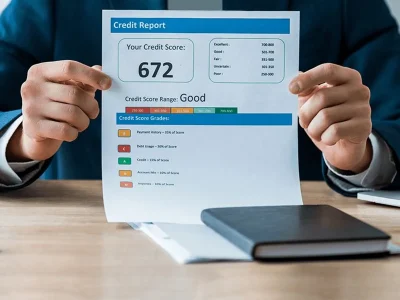
A credit score is a numerical representation of your creditworthiness, typically ranging from 300 to 850. It’s calculated using information from your credit report and gives lenders a quick way to gauge risk.
Factors Influencing Credit Scores:
- Payment History (35%) – Consistency in paying bills on time.
- Credit Utilization (30%) – How much of your available credit you use.
- Length of Credit History (15%) – The age of your accounts.
- Credit Mix (10%) – Having different types of credit (loans, credit cards, etc.).
- New Credit (10%) – The number of recent inquiries and new accounts.
Maintaining a high score can lead to better interest rates, higher credit limits, and easier approvals.
The Consequences of Mismanaging Credit
While credit offers flexibility and opportunity, mismanaging it can lead to long-term financial challenges.
Common Pitfalls:
- High Debt Levels: Excessive borrowing can make it difficult to meet obligations.
- Missed Payments: These damage credit scores and result in penalty fees.
- Default and Collections: Failure to repay can lead to legal actions or loss of assets.
- High Interest Costs: Carrying balances for long periods increases total repayment amounts.
Once damaged, credit takes time to rebuild, which is why prevention and discipline are key.
Using Credit Responsibly
The goal of using credit isn’t just access—it’s balance. Responsible credit use means knowing when and how much to borrow, maintaining repayment consistency, and staying within your means.
Smart Credit Practices Include:
- Reviewing your credit statements monthly.
- Avoiding impulse spending based on credit availability.
- Setting up automatic payments to prevent missed deadlines.
- Creating an emergency fund to reduce dependence on credit.
- Comparing loan options before committing to one.
Responsible credit management ensures that borrowing remains a tool for growth rather than a source of financial stress.
The Broader Impact of Credit on the Economy
Credit affects more than just individuals. On a macro level, it drives economic activity, encourages entrepreneurship, and influences monetary policy. When consumers and businesses can access credit affordably, spending and investment rise—fueling employment and productivity.
However, when credit expands too quickly without proper risk management, it can lead to financial bubbles or crises. This is why responsible borrowing and sound lending standards are vital for economic stability.
Frequently Asked Questions (FAQs)
1. How long does it take to build good credit?
Typically, it takes about six months of consistent credit activity to generate a score. However, achieving excellent credit usually requires years of responsible use.
2. Can I build credit without a credit card?
Yes. Paying installment loans, reporting rent payments, or becoming an authorized user on someone else’s card can help establish credit.
3. What happens if I check my credit report too often?
Checking your own credit report is considered a soft inquiry and does not affect your score. Only hard inquiries—those made by lenders—can slightly lower your score.
4. Should I close old credit accounts?
Not always. Older accounts contribute to your credit history length, which can positively affect your score. If they’re fee-free, it’s usually best to keep them open.
5. What’s the ideal credit utilization ratio?
Experts recommend keeping utilization below 30%, but the lower, the better. Low utilization signals that you manage credit responsibly.
6. Can bad credit be repaired?
Yes, through consistent effort. Paying down debts, disputing inaccurate information, and making timely payments can gradually rebuild your score over time.
Final Note:
Credit is both a privilege and a responsibility. When used wisely, it can enhance financial opportunities, improve quality of life, and support long-term goals. Understanding the mechanics, maintaining good habits, and making informed borrowing decisions are the pillars of strong and sustainable credit health.